
Intro
Ever wondered how today’s drumming legends made it through their early years?
Whether they studied at top music schools or took an unconventional path, one thing is clear, there’s no single road to becoming a pro. For aspiring drummers juggling school, practice, and real-world responsibilities, these stories offer both inspiration and practical insight.
Let’s break down how some of the world’s most iconic drummers navigated education, training, and early career choices and what we can learn from their journey.
Balancing school responsibilities with serious musical training is no easy task. Many young musicians find themselves overwhelmed, juggling rehearsals, gigs, and a mountain of academic deadlines. In some cases, students turn to solutions like extended deadlines, shifting priorities, or even delegating non-essential assignments through services offering cheap essay writing to stay focused on their craft.


How the Greats Got Started
Table of Contents
Toggle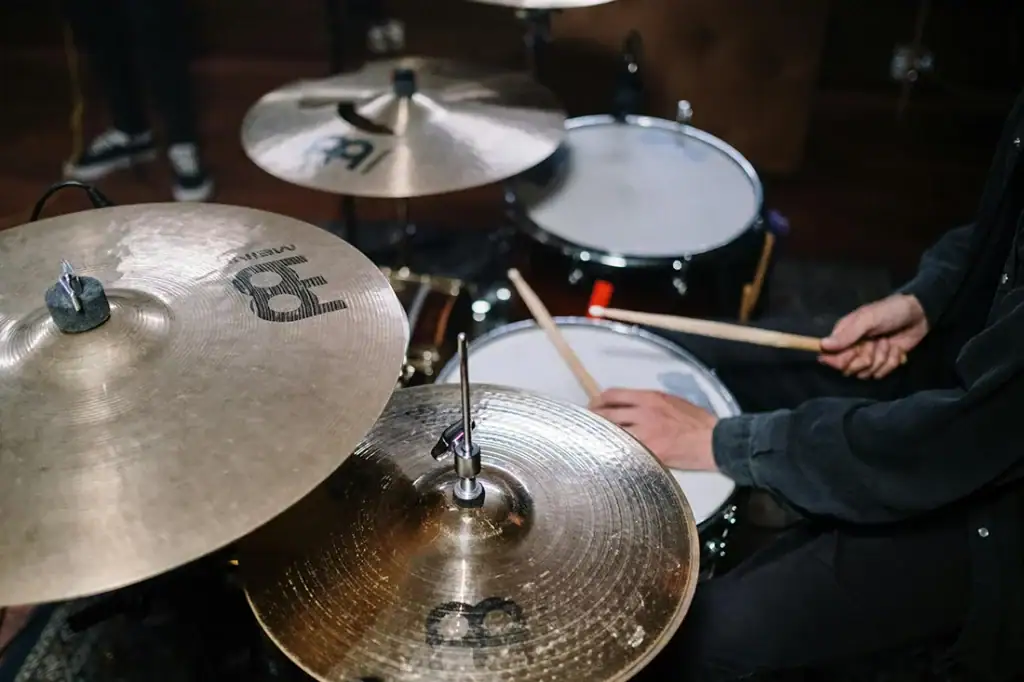
Travis Barker
Barker’s school days were all about prioritizing passion. While others were focused on grades, he was sneaking off to practice. He credits that early obsession with shaping his identity and sound.
Takeaway: You don’t need to follow the traditional path if you’re committed and consistent.

Claim Your FREE 7-Day Trial
Unlock the tools and resources to make consistent progress in your own development as a drummer with The Drum Ninja Online Drum School platform today - click the button below to get started for FREE now.
Dave Grohl
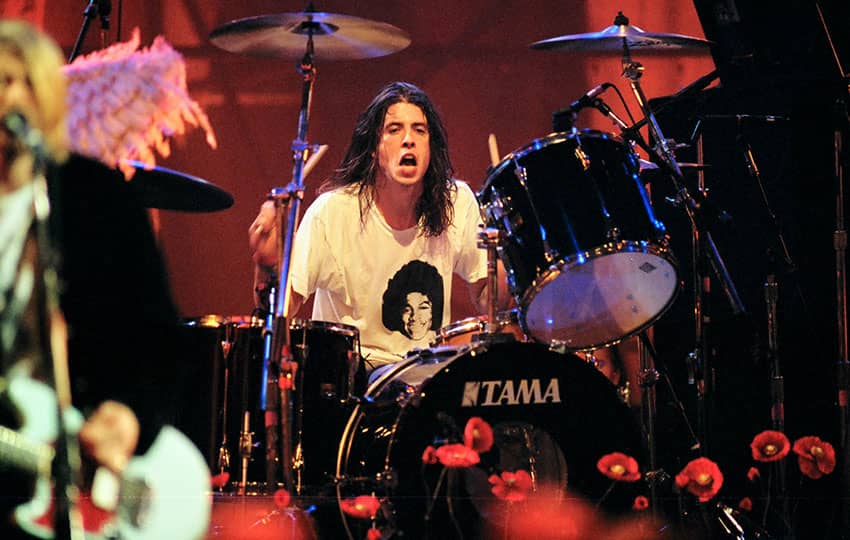
Grohl famously skipped college and hit the road instead. He learned by doing, touring, failing, and learning fast.
Takeaway: Real-world experience can teach you things no classroom ever will. Just make sure you’re always learning, wherever you are.
Sheila E.
Coming from a musical family, Sheila E. didn’t attend college but built her chops playing live. For her, it was about discipline, confidence, and keeping the groove alive through life’s noise.
Takeaway: Formal education isn’t a must, belief and hard work can go a long way.
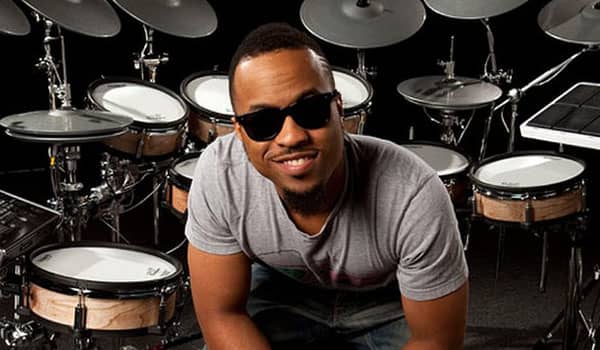
Tony Royster Jr.
Tony was already touring while planning to go to college. With strong family support and laser-sharp focus, he balanced both worlds early on.
Takeaway: With the right support system and time management, you can balance education and professional growth.
Questlove
Though he didn’t graduate college, Questlove is one of the most intellectually curious drummers alive. He believes learning never stops, whether it’s through books, mentors, or beats.
Takeaway: Lifelong learning matters more than degrees.
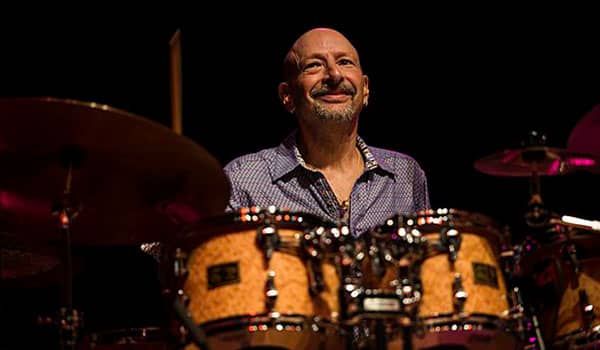
Steve Gadd
Gadd took the traditional route, graduating from Manhattan School of Music and Eastman. That education helped him become one of the most technically sound and versatile drummers in history.
Takeaway: If structure and theory work for you, academic training can give you an edge.
Anika Nilles
In college, Anika faced self-doubt, but stuck with it. Her journey reminds us that growth is often uncomfortable, but worth it.
Takeaway: Push through. Confidence often comes after consistency.
Benny Greb
Benny’s formal education helped shape him into not just a performer but a teacher. He speaks often about creativity over speed.
Takeaway: Technical skill is important, but self-expression is everything.
Chad Smith
Smith skipped college, learning through constant gigging and jam sessions. His energy and attitude come from doing the work, not just studying it.
Takeaway: Play as much as you can, wherever you can.
Cindy Blackman Santana
Cindy focused on private study and personal discipline over a formal degree. Her connection to the drums is spiritual as much as it is technical.
Takeaway: Your practice can be as unique as your voice, honor both.
How to Start Strong as a Young Drummer
Whether you’re just starting out or trying to balance school with serious practice, here are a few actionable tips inspired by the pros:
- Start with structure: Even 15–20 minutes a day of focused practice can make a big difference.
- Learn your heroes: Watch videos of drummers you admire and try to understand their approach, not just what they play, but how they think.
- Play with others: Join a school band, jam with friends, or record covers. Playing with people teaches musical communication.
- Build routine: Keep a simple schedule that includes warm-ups, grooves, and creative time.
- Record yourself: Listening back helps you identify timing issues and track growth.
- Keep it fun: Don’t forget why you started. Play songs you love and let your creativity lead.
- Learn drums online: Join an online platform to take your drumming to the next level like The Drum Ninja Online School.
Final Thoughts
Every drummer’s story is different, some go the academic route, some don’t. What they all share is dedication, self-awareness, and an ability to adapt. Whether you’re practicing in your bedroom, playing at school gigs, or planning your first EP, the most important thing is to stay in motion.
Keep practicing, stay inspired, and remember: every pro was once a student with a practice pad and a dream.