The This Love drum transcription is one of the best examples of what a genuinely funky backbeat sounds like inside a pop rock arrangement.
This Love was the third most played song of 2004, and it earned Maroon 5 the MTV Video Music Award for Best New Artist. The drum part is a big reason why.
While the band’s image was primarily built around Adam Levine’s vocals and the funk-influenced guitar work, the groove underneath it is what gave the song the physical energy that kept it on radio for over a year.
When the Daily Lobo reviewed Songs About Jane, they specifically called out This Love for having a backbeat “reminiscent of Stevie Wonder’s Superstition.” That comparison is accurate and it’s a useful frame for understanding what the drummer was going for.
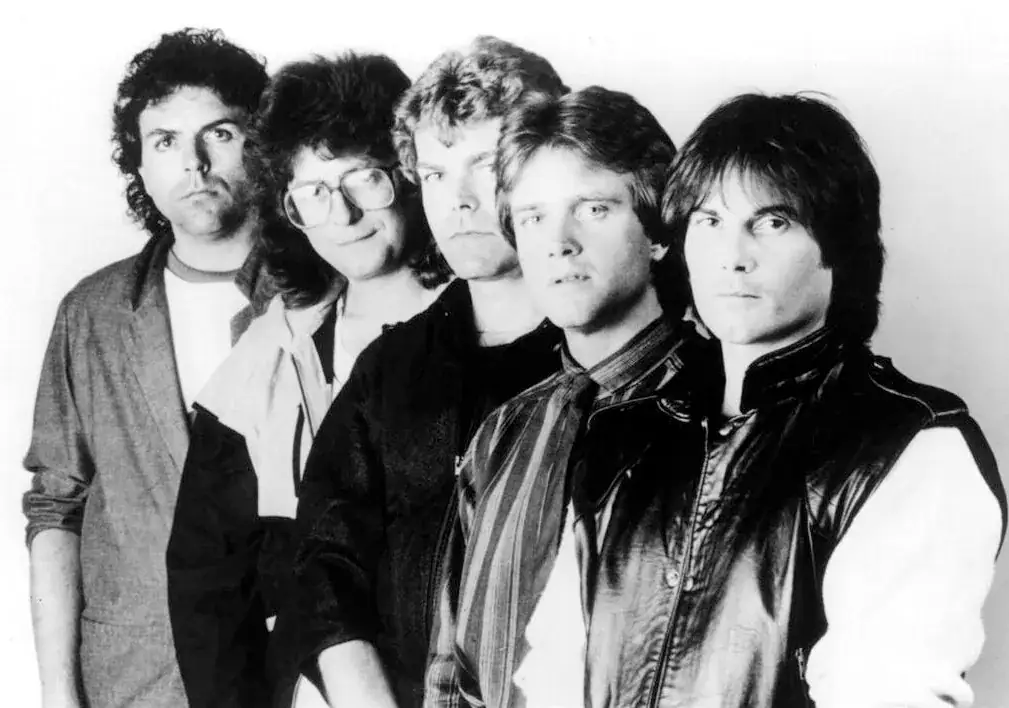
The original recording features Ryan Dusick on drums, Maroon 5’s founding drummer who played on the entirety of Songs About Jane before a serious repetitive stress injury eventually forced him to step back from touring.
His contribution to the album, and to this track specifically, is a real part of what made Maroon 5’s debut so rhythmically distinctive. Dusick was replaced as touring drummer from 2004 onwards by Matt Flynn, who has held the role ever since.
More on the band’s history and the Songs About Jane era is available through the official Maroon 5 archive at maroon5.com.
The groove is built around a syncopated snare pattern that sits differently than a standard rock backbeat. The snare doesn’t just land on 2 and 4. There are additional accent hits that fall in unexpected places within the bar, which is where the funk influence is most audible.
Getting those accents in the right place without rushing the downbeat is the primary challenge in the verse groove. The tendency is to accent slightly early when a hit lands on an off-beat, which pulls the groove forward and loses the relaxed, settled feel that makes this song work.
Sitting back on those accents, placing them confidently but without rushing, is what gives the pattern its character.
Our drum notation guide will help you read those accent markings clearly before you try to play them up to tempo.
The hi-hat work throughout deserves its own attention. The pattern uses a combination of closed and slightly open hi-hat hits that give the groove a breathing quality above the snare and kick.
It’s not a static, fully-closed hi-hat throughout the bar, and the variation is subtle enough that many drummers miss it on a first listen. Slow the recording down and focus specifically on the hi-hat before working on the full pattern together.
The chorus opens up with a more straightforward four-on-the-floor feel that lifts the energy without changing the underlying tempo. The transition between verse groove and chorus is one of the more satisfying moments in the chart because both sections feel like natural extensions of the same musical idea rather than a sudden style shift.
That kind of compositional continuity is harder to achieve than it sounds and worth studying carefully.
For a similar exercise in funk-influenced pop rock groove where the syncopated snare placement is the central technique challenge, the Californication drum transcription makes a natural companion.
Chad Smith and Ryan Dusick share a similar approach to decorating the backbeat without overcomplicating the fundamental groove. If you want to build the underlying funk vocabulary that makes both of these grooves feel natural, our section on common drum beats covers the foundational patterns to develop first.
This chart lives in our free drum transcriptions library alongside 160+ others.
Difficulty: Intermediate
Tempo: ~95 BPM
Time Signature: 4/4
Key Technique: Syncopated snare accents on off-beats, open and closed hi-hat variation, relaxed sitting-back feel on accent placement, verse to chorus dynamic lift.