


Vic Firth SIH3 Review
Drummers are notoriously prone to damaging their hearing. We spend years cranking the volume, playing in loud rooms, and convincing ourselves we’ll deal with it later. Then “later” shows up and your ears are ringing at 2am.
I’ve been there. That’s actually what pushed me to take isolation headphones seriously.
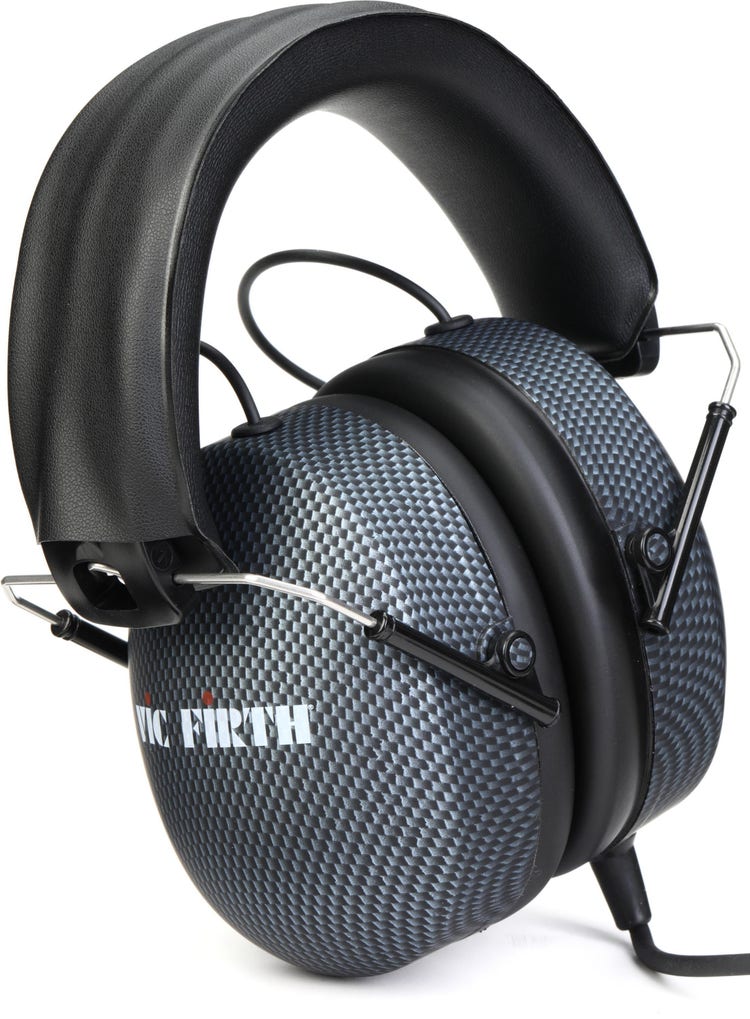
The Vic Firth SIH3 Stereo Isolation Headphones are built specifically with drummers in mind. The headphones are a practical tool designed to sit on your head during practice sessions, rehearsals, and recording gigs, blocking out the noise of your kit while still letting you hear your click track, backing tracks, or monitor mix clearly.
What makes the SIH3 stand out from the previous versions is a fully reworked design, upgraded 50mm Mylarcon drivers, a redesigned padded headband, and better ear cup cushioning that makes a real difference if you’re wearing these for long stretches.
In this review, we’ll cover what Vic Firth has done with the SIH3, how it performs in real playing situations, and whether it’s worth adding to your kit bag.
Key Features
The SIH3 builds on what made the earlier Vic Firth isolation headphones popular, but with some meaningful upgrades that make them worth a second look, even if you already own an older pair. Here’s what stands out:
- High Noise Reduction Rating (NRR 24dB): Cuts down ambient drum noise significantly, protecting your hearing without completely isolating you from your surroundings.
- 50mm Mylarcon Drivers: Larger drivers deliver a fuller, more detailed sound than you’d typically get from budget isolation headphones. Your click and backing tracks actually sound good.
- Redesigned Padded Headband: A more comfortable fit during long practices. If you’ve ever had a headband digging into your head after an hour of playing, you’ll appreciate this upgrade.
- Improved Ear Cup Cushioning: Better seal around the ears means better passive isolation and more comfort, especially important when you’re wearing them over a full session.
- Stereo Sound: Full stereo output lets you hear your monitor mix, metronome, or backing tracks the way they’re meant to be heard.
- Standard 3.5mm Jack with ¼” Adapter Included: Works straight out of the box with phones, tablets, audio interfaces, and mixers. No hunting around for extra cables.
- Foldable Design: They fold flat, making them easy to throw in your stick bag without worrying about them getting beat up.
These aren’t flashy features on paper, but for a drummer who actually uses isolation headphones regularly, every single one of them matters at the kit.
+
Pros
Things we liked
+
Excellent passive isolation that actually lets you focus on your playing
+
50mm Mylarcon drivers deliver clear, warm audio — your click track sounds like it should
+
Comfortable enough to wear through long practice sessions without head or ear fatigue
+
Tidy single-sided cable keeps things clean at the kit
+
Foldable design fits easily in a stick bag
+
Includes both 3.5mm and ¼" connections — works with everything
−
Cons
Things we didn't like
−
Not the most heavy-duty build for drummers who are really rough on their gear
−
NRR 24dB is solid but won't fully satisfy drummers who need maximum hearing protection in extremely loud environments
−
No wireless option for those who prefer a cable-free setup


What to Expect from these Headphones:
Quality
The SIH3 sits in a sweet spot that’s hard to find with isolation headphones, they actually sound good. A lot of drummers settle for cheap ear protection that makes their click track sound like it’s coming through a tin can. The SIH3s don’t do that.
The 50mm Mylarcon drivers push out a warm, clear sound that holds up well across different audio sources. Whether you’re running a metronome app from your phone or listening to a full backing track through an audio interface, the playback is detailed enough that you’re not constantly adjusting the volume trying to cut through distortion or muddiness.
The isolation itself is solid too. At NRR 24dB, they won’t turn your kit into a whisper, but they take enough edge off that your ears aren’t taking a beating every time you sit down to practice. Over time, that matters a lot more than most drummers want to admit.

Construction
These feel like they were designed by someone who actually plays drums, which makes sense, because Vic Firth knows their audience.
The headband is padded properly and doesn’t create that pressure point right on top of your head that cheaper headphones are notorious for. The ear cups are large enough to sit comfortably over your ears without squeezing, and the cushioning creates a decent passive seal that helps the isolation do its job.
The foldable hinge feels sturdy. It’s not flimsy or loose, and it folds away cleanly when you’re done. The cable is single-sided, which keeps things tidy at the kit and avoids the annoying snag-on-the-snare situation you get with dual-sided cables.
They’re not built like a tank, but they’re built well enough for regular use. Toss them in your stick bag, bring them to rehearsal, take them to a session, they’ll hold up.
Performance
At the kit, the SIH3s do exactly what they promise. Put them on, hit record on your metronome, and you’ve got a clean, focused practice setup that protects your hearing without sacrificing audio quality.
The seal is good enough that you stop noticing the noise of the kit after a few minutes and just focus on what’s coming through the headphones. That’s the real test, if you’re constantly aware of the bleed, something’s off. With the SIH3s, it just disappears into the background.
They also handle volume well. Drummers tend to push headphone volume higher than they should to compete with the kit noise. Because the SIH3s block a meaningful chunk of that ambient sound passively, you’re not cranking the volume to dangerous levels just to hear your click. That’s better for your long-term hearing and a genuinely practical benefit.
The stereo imaging on backing tracks is clear and well-defined, which matters when you’re playing along to a full mix and need to hear what’s happening across the frequency range.
Prive to Value:
The Vic Firth SIH3 sits in the mid-range price bracket for isolation headphones, and honestly, it earns its spot there without much argument.
You could spend less. There are cheaper isolation headphones on the market that will technically do the job, but you’ll feel the difference the moment you put them on.
The comfort drops off, the audio quality drops off, and the build starts showing cracks after a few months of regular use. For something you’re wearing every single practice session, that trade-off gets old fast.
On the other end, you could spend significantly more on audiophile-grade headphones and add a separate set of ear defenders on top, which some drummers do.
But that’s a clunky setup, and the SIH3s combine both functions cleanly in one package without making you feel like you compromised on either.
For what you’re getting, solid isolation, genuinely good sound quality, a comfortable fit, and a build that holds up to regular use, the SIH3s represent real value. These are headphones a working drummer can buy once and not think about replacing for a long time.
If you’re still practicing without any form of isolation, the SIH3 is the kind of investment that pays for itself the first time you walk away from a long session without your ears ringing.
Conclusion
The Vic Firth SIH3 Stereo Isolation Headphones are one of those pieces of gear that doesn’t get talked about nearly enough.
Drummers obsess over sticks, cymbals, and heads, and then completely ignore the thing that protects the most important instrument they own: their hearing.
The SIH3s make it easy to stop making excuses. They’re comfortable enough to wear through a full practice session, they sound good enough that your click and backing tracks are a pleasure to listen to, and they block enough of the kit noise that your ears aren’t paying the price every time you sit down to play.
The upgrades in the SIH3 over previous versions are noticeable, the drivers, the headband, the ear cup cushioning, it all adds up to a headphone that feels like a proper piece of gear rather than an afterthought.
If you’re a drummer who takes their practice seriously, the SIH3 belongs on your head. Whether you’re a student grinding through rudiments every day, a gigging drummer doing long rehearsals, or a session player tracking in a live room, these headphones will serve you well.
Your future self, with fully functioning ears, will thank you.